Getting started with building a house
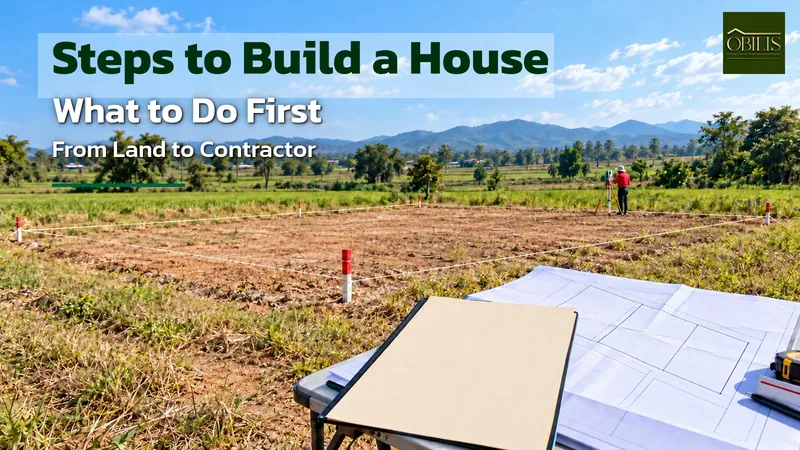
Getting started with building a house means checking your land title and zoning status first, then surveying the actual site, choosing a plan that fits it, preparing a BOQ, and filing the permit application in parallel. Only after that should you talk to contractors, with a rough budget and land documents ready to show. Getting this order right from the start reduces sudden plan changes and runaway budgets that usually surface after signing.
- Check the land title type and zoning color before choosing a house plan.
- Survey the actual site before discussing the plan with a designer.
- Prepare the BOQ and the permit application in parallel to save time.
- Have a rough budget and land documents ready before meeting a contractor.
Getting Started with Building a House: Check This Before the House Plan
Most people getting started with building a house jump straight to browsing pretty house plans first. What actually needs checking first is the status of your own land, because a plan you love may simply not be buildable if the land carries certain restrictions.
The first thing to verify is the land title type: a full chanote (title deed) or one of the other document types that carry restrictions on transfer or use. Some land types common in Isan still carry conditions different from a standard chanote.
Next is the zoning color and the legal setback distance. The same plot can allow a different house size depending on zoning rules, so this should be checked before buying land or before locking in a house plan that is too rigid for the site.
The Right Order of Steps When Getting Started with Building a House
Once the land is checked, the recommended order is surveying the actual site, measuring the plot, checking orientation, ground level, and any past flood marks, before discussing a house plan with a designer or home-building company.
The next step is choosing a plan that fits the actual land in Korat or Roi Et, not the prettiest plan online, since every plot has its own constraints on sun direction, wind, and available size.
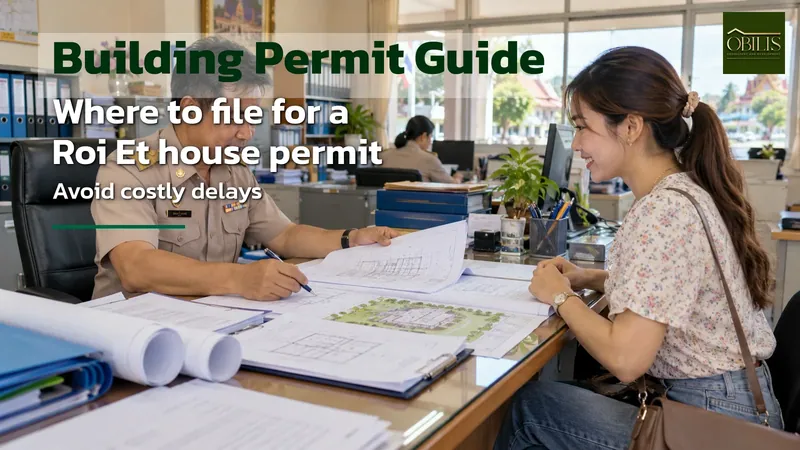
After that comes the BOQ (bill of quantities) and the building permit application, run in parallel so the waiting time for approval is not wasted, and site preparation can start the moment the permit comes through.
What to Prepare Before Talking to a Contractor
Homeowners should have a rough budget in mind before talking to a contractor, rather than letting the contractor set the number unilaterally, since the budget shapes the plan and material choices from the start.
Land documents and real site photos should be ready to show the contractor before the first meeting, so the estimate is grounded in the actual site rather than a description alone.
Preparing questions in advance, such as asking for a sample BOQ, asking to see completed work, and asking about payment installments, helps screen out the wrong contractor from the very first conversation, before any contract is signed.
Common Mistakes When Getting Started with Building a House
The most common mistake is signing a contract before the plan is truly finalized, forcing revisions after signing that usually lead to price renegotiation partway through.
Another mistake is not checking whether the contractor has an in-house crew or subcontracts everything out, since the two setups differ enormously in accountability when something on site goes wrong.
Many people also forget to check site access for material delivery trucks, especially on land down a narrow lane or on sloped terrain near Khao Yai, which can push transport costs higher than first estimated.
What Extra Budget to Set Aside When Starting a Build
Beyond the contract price, set aside budget for work that is often left out of the lump-sum quote, such as land filling, fencing, a driveway, and running electrical and water lines from the property boundary to the house.
A reasonable reserve for this extra work should be set aside as roughly one additional portion on top of the main house budget, since it depends on the actual condition of each plot and cannot be fixed from the plan alone.
If financing the build with a bank loan, discuss the installment disbursement terms with the bank early, since banks typically rely on the BOQ and house plan as the basis for approving each drawdown.
Getting Started with Building a House the Systematic Way
A good start to building a house is not measured by speed but by how complete the information is before each decision: land status, house plan, budget, and contractor selection all in order.
OBILIS lays out this sequence for homeowners from the very first conversation, so the whole project is visible before any contract gets signed.
If you want a figure for the house you actually have in mind, try the budget planner first, or contact us for an estimate based on your real plan and land.
When the sequence is right from the start, the mid-project problems that usually appear, such as sudden plan changes or runaway budgets, shrink considerably compared with starting without a plan at all.
Frequently Asked Questions
Should I have land before or after choosing a house plan when getting started with building a house?
You should have the land, or at least know its exact location, before choosing a plan, since orientation, size, and zoning restrictions of each plot directly shape which house plan actually fits.
Can I get started with building a house without an engineer reviewing the plan?
For an ordinary residential house, the law allows an associate-level engineer to certify the plan, but a qualified engineer should always review it, since this document is used for the permit application and referenced if any structural issue appears later. Foreign buyers should also note that foreigners generally cannot own land in Thailand outright, which affects how land documents are prepared at this stage.
How long should I spend before signing a construction contract?
There is no fixed number, but allow enough time to review the plan, check the BOQ, and compare at least two or three contractors before signing a contract that is difficult to change afterward.
Key facts at a glance
| First thing to check before building | land title type and zoning color |
|---|---|
| Before discussing a house plan | survey the site: size, orientation, ground level |
| Steps that can run in parallel | BOQ preparation and the permit application |
| What to prepare before meeting a contractor | a rough budget and land documents |
| Extra budget often forgotten | land filling, fencing, driveway, utility lines |
| Most common early mistake | signing before the plan is truly finalized |
Frequently asked questions
Should I have land before or after choosing a house plan when getting started with building a house?
You should have the land, or at least know its exact location, before choosing a plan, since orientation, size, and zoning restrictions directly shape which plan actually fits.
Can I get started with building a house without an engineer reviewing the plan?
The law allows an associate-level engineer to certify an ordinary house plan, but a qualified engineer should always review it for safety.
How long should I spend before signing a construction contract?
There is no fixed number, but allow enough time to review the plan, check the BOQ, and compare at least two or three contractors.
What is the right order of steps when getting started with building a house?
Check the land, survey the site, choose a plan, prepare the BOQ, file the permit application, and only then talk to and sign with a contractor.