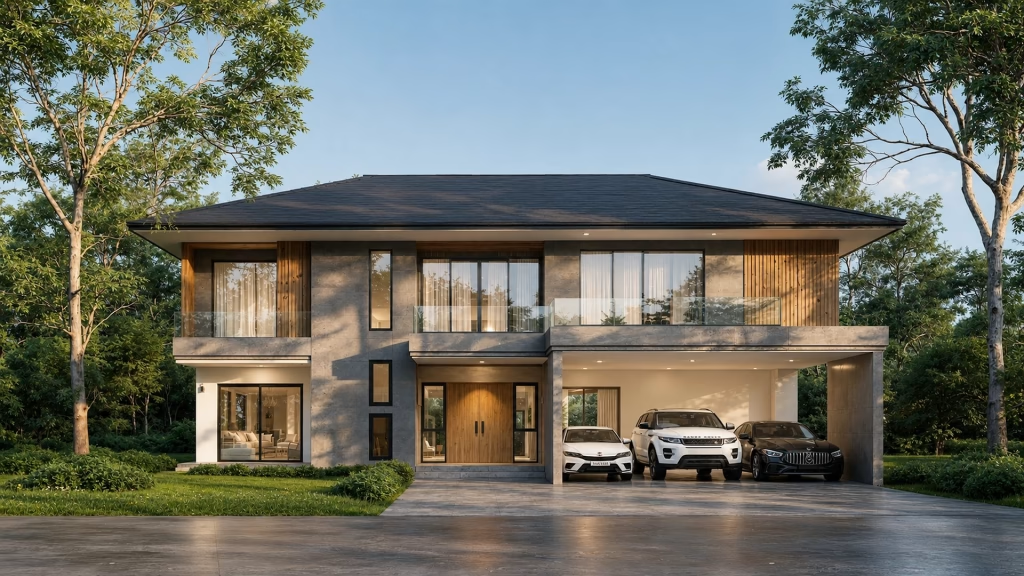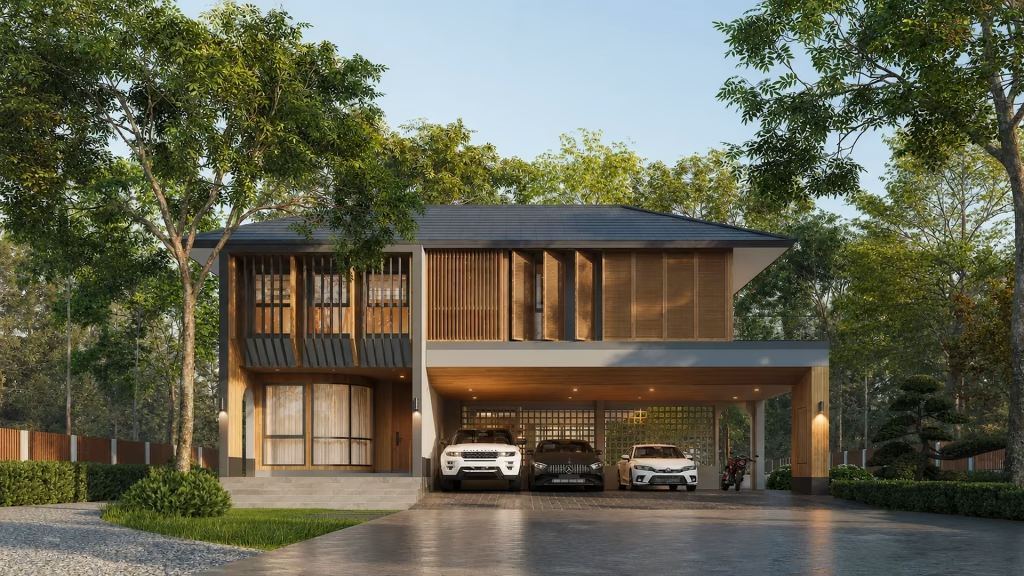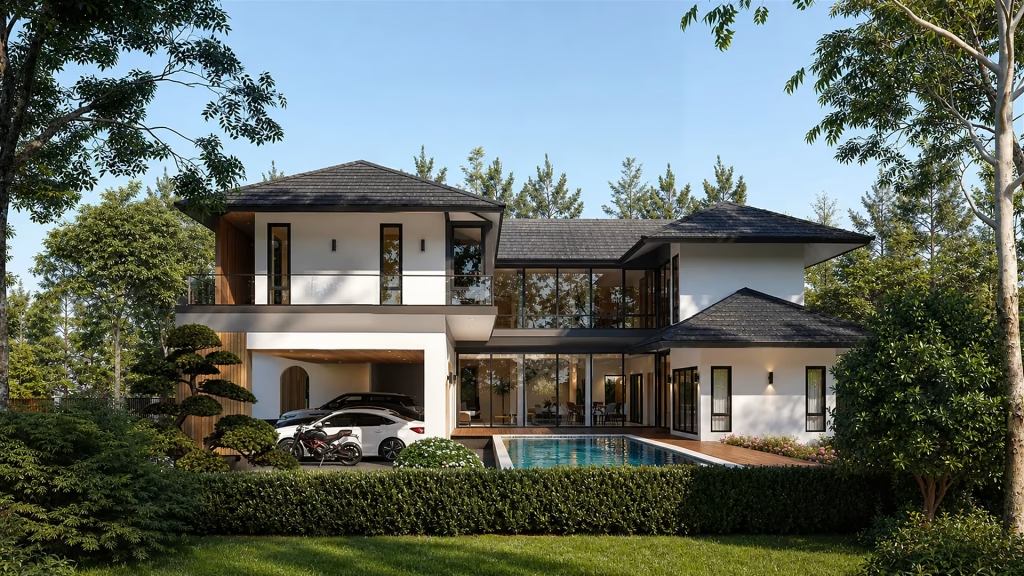
Metal Sheet Roof
In the Isan heat, bare metal sheet is hotter and much louder in rain than tile, but metal sheet with PU or PE insulation underneath, glass wool on the ceiling and a light colour keeps a house as cool as tile. Tiles are quieter and last beyond 30 years, yet weigh several times more and need a pitch of 25 to 30 degrees. Metal sheet of 0.35 mm or more lasts 15 to 25 years and can be laid in a day.
- The deciding factor is the whole system, not the material: roofing sheet, insulation, ventilation gaps and roof colour
- Tiles weigh several times more than metal sheet, so the roof frame costs more even where the sheets cost about the same
- Good metal sheet lasts 15 to 25 years and tile beyond 30 years, but both need periodic checks
- Roofs flatter than 25 to 30 degrees should use metal sheet; a resort-style house near Khao Yai that wants quiet suits tile
Metal Sheet or Tile Roof: What Differs Besides the Price?
Ask whether a metal sheet or tile roof suits the heat of Isan and you will usually get an answer based on price alone. That is not enough. The roof takes direct sun all day, decides how hot the house is at three in the afternoon, and decides how loud it gets when rain falls at night.
Metal sheet roofing is coated steel rolled into a profile, thin and light, and can be installed as one continuous sheet from the ridge to the eaves. Tiles are small units laid overlapping on battens, and come as concrete tiles, ceramic tiles, and the corrugated fibre-cement tiles seen on houses across rural Thailand.
The important differences are weight, thickness and how each material handles heat. Those three things affect the roof structure, your electricity bill and how the house feels to live in far more than the difference in price per square metre at the time of purchase.
In the Isan Heat, Which Roof Keeps the House Cooler?
Bare metal sheet heats up fast and passes that heat down fast. The midday sun in Korat in April makes the sheet too hot to touch, and without insulation that heat reaches the ceiling below within minutes. Houses roofed with uninsulated metal sheet are the ones whose owners complain most about heat.
Tiles are thicker and have more mass, so they heat up more slowly and release heat more slowly. The gaps between overlapping tiles also give some ventilation under the roof. A tiled house is usually cooler than bare metal sheet in the afternoon, but in the evening it releases the stored heat more slowly.
The factor that flips the result is insulation. Metal sheet with PU or PE foam bonded to the underside, plus glass wool insulation on the ceiling, keeps a house as cool as tile. The decision is therefore not about the material alone but the whole system: roofing sheet, insulation, ventilation gaps and the colour of the roof. Light colours reflect far more sun than dark ones.
Rain Noise, Weight and the Roof Structure Underneath
Isan rain arrives hard and in bursts. Rain on bare metal sheet is loud enough to disturb sleep, especially in bedrooms where the ceiling sits directly under the roof. Insulation on the underside of the sheet cuts the noise a great deal but does not remove it entirely. Tiles are naturally quieter thanks to their mass and the air gaps.
Weight is a structural matter. Concrete tiles weigh several times more than metal sheet per square metre, so the steel roof frame needs heavier sections, closer purlin spacing, and columns and beams designed to carry it. The frame for a tiled roof therefore costs more, even where the roofing material itself costs about the same.
Metal sheet wins on speed. A 150 square metre house can be roofed in a single day, whereas tiles take several days and need careful tradesmen. Tiles laid at the wrong angle or ridge caps that are badly pointed are the most common leak points on houses in the provinces.
Lifespan, Rust and the Leaks You Will Have to Chase
Good-grade metal sheet with an aluminium-zinc coating and a thickness of 0.35 mm or more lasts approximately 15 to 25 years. The weak point is the fixing screws. Low-quality screws or screws driven at an angle let the rubber washer fail before the sheet does, creating leaks, and cheap thin sheets rust along the cut edges within a few years.
Concrete and ceramic tiles last beyond 30 years if they are not cracked by impact. The typical problems are fading colour, moss on the shaded side of the roof, and tiles dislodged by the summer storms that grow stronger every year around Roi Et and Maha Sarakham. These can be repaired tile by tile without stripping the whole roof.
Both types need maintenance. Metal sheet should have its screws and joints checked every 2 to 3 years, and tiles should have the ridge caps and any cracked tiles checked after every storm. Owners who assume the roof is finished once it is on usually find water coming through the ceiling somewhere between year five and year seven, whichever type they chose.
Total System Cost, Not Just the Price of the Sheets
Comparing only the roofing material, ordinary metal sheet is cheaper than concrete tile, approximately. Add the insulation that the Isan heat makes necessary and the price per square metre moves much closer. On the other side, tiles must add the heavier roof frame and the extra labour to lay them. The total for the whole system usually differs less than people expect.
What really moves the price is the grade of material. High-quality colour-coated metal sheet at 0.47 mm with PU insulation can cost more than plain concrete tile, while imported ceramic tiles cost far more than mid-grade metal sheet. Compare prices at the same specification, not by the name of the material.
Ask your contractor to break the roof out in the BOQ (bill of quantities) so you can see the roofing, insulation, frame, purlins, ridge caps, gutters and labour as separate lines. When every line is visible, the difference in price tells you whether it is higher because the materials are genuinely better or because it includes items the other quote left out.
Choosing the Right Roof for Your House and Location
For a modern house with a mono-pitch or low-slope flat roof, metal sheet is the natural answer, because the long continuous sheets have no joints for water to back up through. Tiles need a minimum pitch of roughly 25 to 30 degrees to stay watertight. Almost every tiled roof built flatter than that ends up with problems.
For a contemporary Thai-style house, a resort-style home or a holiday house around Khao Yai where quiet and a cool feel matter, tiles usually serve better, both for rain noise and for a look that fits the setting. For a house in town where the budget must be controlled and the build must be fast, metal sheet with insulation is the sensible choice.
Whichever you choose, think of the roof as one system together with the ceiling, insulation and ventilation from the design stage, not as a choice made just before roofing starts. The OBILIS team usually assesses this during design, looking at sun orientation, roof pitch and the overall budget, and presents both specifications so the owner can compare before deciding.
To get a rough budget before you talk to anyone, try our house price calculator, or contact the OBILIS team to talk through your plot.
Related reading: Which Way Should Your House Face in Thailand? Orientation for a Cooler Home, Hidden Costs of Building a House in Thailand: Fence, Driveway, Land Fill and Single-Storey or Two-Storey House in Rural Thailand: Better Value?
Frequently Asked Questions
Is a metal sheet roof really hotter than a tile roof?
Without insulation, yes. Bare metal sheet passes heat down much faster than tile. But metal sheet with PU or PE insulation bonded underneath, glass wool on the ceiling and a light colour performs as well as or better than uninsulated tile.
What thickness of metal sheet should a house use?
For a residential roof use 0.35 mm or thicker, and 0.40 to 0.47 mm resists wind better and is quieter. Sheets thinner than 0.30 mm are better suited to carports or awnings and tend to dent or rust quickly when used as the main roof.
Can I replace a tile roof on an existing house with metal sheet?
Yes, and it is a common renovation job, because metal sheet is lighter and the existing frame can certainly carry it. The purlin spacing must be adjusted to suit the sheets, and insulation should go in at the same time. Going the other way, from metal sheet to tile, always needs an engineer to check the roof frame first, because the weight increases several times over.
ข้อมูลสำคัญโดยสรุป
| Metal sheet thickness for a house | 0.35 mm or more, 0.40 to 0.47 mm recommended |
|---|---|
| Lifespan of good metal sheet | 15 to 25 years |
| Lifespan of concrete or ceramic tile | Beyond 30 years |
| Minimum pitch for tile | Roughly 25 to 30 degrees |
| Roofing time, 150 sqm house | 1 day for metal sheet, several days for tile |
| Metal sheet screw check | Every 2 to 3 years |
คำถามที่พบบ่อย
Is a metal sheet roof really hotter than a tile roof?
Without insulation, yes. Bare metal sheet passes heat down to the ceiling within minutes. But metal sheet with PU or PE insulation bonded underneath, glass wool on the ceiling and a light colour performs as well as or better than uninsulated tile.
What thickness of metal sheet should a house use?
For a residential roof use 0.35 mm or thicker, and 0.40 to 0.47 mm resists wind better and is quieter. Sheets thinner than 0.30 mm are better suited to carports or awnings and tend to dent or rust quickly when used as the main roof.
Can I replace a tile roof on an existing house with metal sheet?
Yes, and it is a common renovation job, because metal sheet is lighter and the existing frame can carry it. The purlin spacing must be adjusted to suit the sheets, and insulation should go in at the same time. Going from metal sheet to tile always needs an engineer to check the roof frame first, because the weight increases several times over.
Which is cheaper overall, a metal sheet roof or a tile roof?
Comparing only the roofing material, ordinary metal sheet is cheaper than concrete tile. Add the insulation the Isan heat makes necessary and the price per square metre moves much closer, while tile must add a heavier frame and more labour. The total system usually differs less than expected, so ask for the roof broken out in the BOQ with sheets, insulation, frame, purlins, ridge caps, gutters and labour as separate lines.